

Organic Lawn Treatment in Mamaroneck, NY
Complimentary Lawn Assessment | ISA-Certified Arborists | DEC-Licensed Applicators | 30 Years Family-Owned
North Eastern Tree, Shrub & Lawn Care provides organic lawn treatment in Mamaroneck, NY for homeowners who want a thicker, greener lawn without spending years learning turf science. We start with your soil, build a custom seasonal program, and handle the fertilization, weed control, aeration, and overseeding that turn a tired lawn into the one your neighbors ask about.
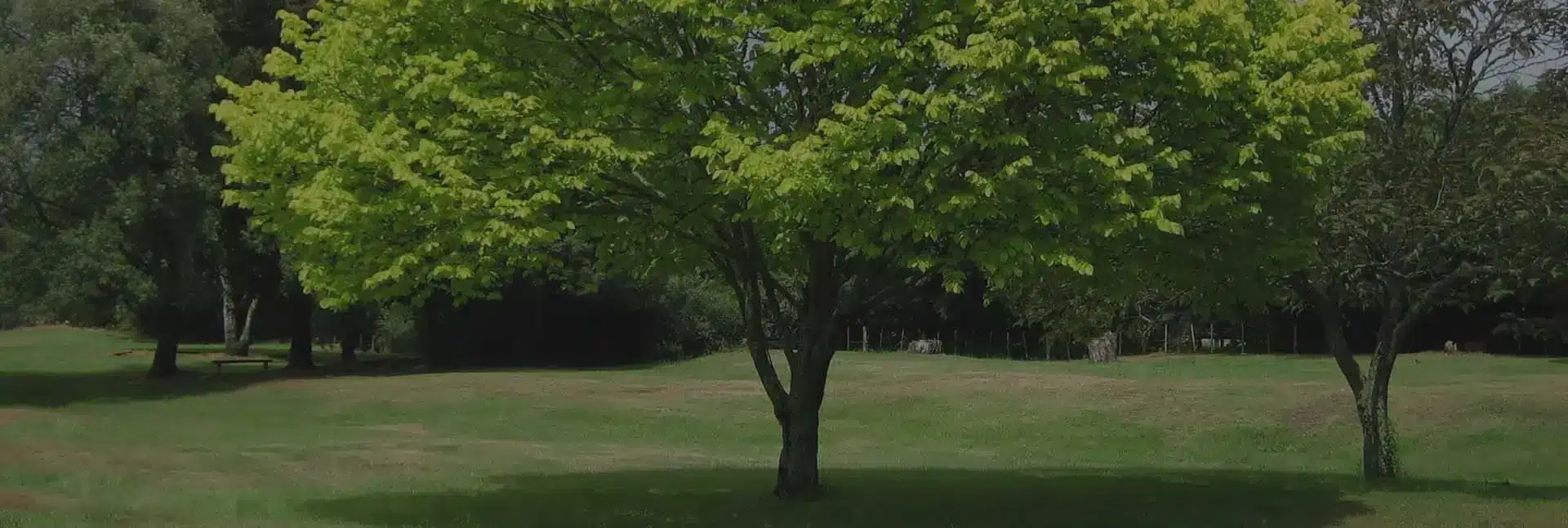
Lawn Treatment in Mamaroneck Done Right
Most lawns don’t struggle because the homeowner isn’t trying. They struggle because nobody explained what the soil underneath needs. A bag of fertilizer from the hardware store feeds the grass blades for a few weeks. It does nothing for compacted ground, a pH that has drifted for a decade, or the thin spots under the maple that come back worse every August.
We approach lawn treatment the way a doctor approaches a checkup. Every program starts with a soil test that reads pH, nutrient levels, and compaction. Every visit after that is based on what the test shows and what your technician sees on the lawn, not a one-size-fits-all spray schedule. You get the benefit of 30 years of plant health experience without having to spend 30 years learning it.
One thing to know up front: we don’t mow. Your landscaper keeps the lawn cut. We keep it healthy, and that is a different job. As one customer put it after switching from the landscaper she had used for 25 years: “Our lawn has never looked so lush, beautiful and dandelion free. It’s great to finally use trained, certified and knowledgeable professionals. Who knew it was a job landscapers shouldn’t do.”
Serving Mamaroneck Lawns, From Harbor Heights to Orienta
Our lawn treatment in Mamaroneck, NY covers both the Village and the Town, from the 1920s streets of Harbor Heights beside Saxon Woods Park to the waterfront homes of Orienta, Shore Acres, and Rye Neck. Mamaroneck is a short drive down I-95 from our Stamford headquarters and part of the Westchester service area our technicians cover all season long.
Mamaroneck is a town of established neighborhoods. Old Rye Neck dates to the 1880s, and Harbor Heights and much of Rye Neck were built out in the 1920s and 1930s. Neighborhoods that age come with mature oaks and maples, which means lawns competing with big root systems for sun, water, and nutrients. Because we also care for trees, we plan for that competition instead of pretending the tree isn’t there.


What Mamaroneck Lawns Are Up Against
Water on every side. Between Long Island Sound, Mamaroneck Harbor, the Mamaroneck River, and the Sheldrake River, a lot of Mamaroneck lawns sit close to water. New York’s Nutrient Runoff Law bans lawn fertilizer within 20 feet of a water body unless there’s a 10-foot vegetated buffer, or the application stays at least 3 feet back using a deflector or drop spreader. We follow those rules on every waterfront and streamside property, and our organic-based, soil-test-driven approach means the nutrients go into your lawn instead of the harbor.
Flooding and what it leaves behind. Hurricane Ida devastated parts of Mamaroneck in September 2021, and the record-breaking rainstorm in the fall of 2023 sent the Mamaroneck and Sheldrake Rivers over their banks again. Floodwater leaves lawns crusted with silt, compacted, and dotted with dead patches. Lawn restoration after a flood starts with a soil test, then core aeration and overseeding in the fall window to rebuild density from the ground up.
Shade and old roots. Mature street trees and backyard oaks make for beautiful properties and difficult lawns. We choose shade-tolerant seed for those areas, adjust feeding so the grass and the trees aren’t fighting over the same nutrients, and tell you plainly when a spot will do better as a planting bed than as turf.
A high bar next door. Winged Foot Golf Club, in the Town of Mamaroneck, has hosted six U.S. Open Championships. You don’t need a greenskeeper to have a lawn people slow down to look at, though. You need the right program, applied at the right time, by people who know why each step matters.
Organic, Eco-Friendly Lawn Care That Starts With the Soil
Synthetic fertilizer gives grass a quick sugar rush. It greens up fast, fades just as fast, and leaves the soil no better off than before. Our organic lawn care programs use carbon-based, OMRI-listed products that feed the soil biology first: the microbes that break down nutrients, loosen compacted ground, and help roots grow deeper.
A lawn built that way holds its color longer, handles a dry July better, and needs less rescuing every year. That is what lawn restoration looks like when it’s done for the long haul.
We’ll be upfront about the tradeoff. Organic weed control works more slowly than conventional herbicides and usually needs more follow-up in the first season or two. One of our organic lawn customers described it well: “The results of organic lawn care are not the same as pesticides but the products they use have improved the health of my soil and the lawn as well. It’s much greener and thicker than when I did it myself.”
Prefer a traditional or blended program? We offer those too. Your technician will walk you through the options and recommend what fits your lawn, your goals, and how quickly you want results.


Our Seasonal Lawn Treatment Program
Most programs include 5 to 6 treatments across the season, each one timed to what your grass is doing at that moment. Here’s how a typical year looks for a cool-season lawn in Mamaroneck:
- Early spring (around April): Crabgrass pre-emergent goes down before soil temperatures reach 55°F at a 4-inch depth. Miss that window and you spend the summer fighting crabgrass instead of preventing it.
- Late spring (May): A light feeding to support green-up and root growth, plus treatment of broadleaf weeds like dandelion, clover, ground ivy, and plantain.
- Summer: Targeted care based on what your technician finds, including spot treatment of summer weeds like nutsedge and early warning on the brown patches that signal lawn fungus.
- Early fall (September to October): The most important feeding of the year. Roots grow hard in cool fall soil, and broadleaf weed control is most effective now because weeds are pulling nutrients down into their roots.
- Late fall (November): A winterizer application before the ground freezes, so the lawn stores nutrients for a strong start next spring. New York law prohibits lawn fertilizer from December 1 to April 1, and we schedule every program around it.
- Once a year in fall: Core aeration and overseeding, performed together.
Every application is adjusted to your soil test and your lawn’s condition that day. That’s the difference between a lawn treatment program and a spray schedule.
Lawn Restoration: Core Aeration and Overseeding
If your lawn is thin, patchy, or full of weeds that keep coming back, the fix usually starts below the surface. Foot traffic, mowers, and heavy rain compact soil until water and air can’t reach the roots. Grass thins out. Weeds move into the gaps.
Core aeration pulls small plugs of soil out of the lawn and opens pathways for water, air, and nutrients. We then overseed with high-quality cool-season seed (fescue, Kentucky bluegrass, and ryegrass varieties suited to the Northeast), selected for your sun, shade, and soil.
We always perform aeration and overseeding together. Aerating without seed leaves open soil for weeds. Seeding without aerating leaves most of the seed sitting on top of the ground. And killing weeds without putting seed down just leaves room for the weeds to come back.
Timing matters. The ideal window runs from late August through mid-October, while the soil is still warm and crabgrass is finished for the year. Expect germination in 7 to 21 days, noticeable thickening in 4 to 6 weeks, and a fully established lawn by the end of the next growing season. We’ll tell you exactly how to water for the first few weeks.

Lawn Weed Control, Fertilization, and Disease Treatment

Lawn Weed Control
We target crabgrass, dandelion, clover, ground ivy (creeping Charlie), nutsedge, and broadleaf plantain with properly timed pre-emergent applications, fall broadleaf treatments, and spot treatment for stubborn areas. The longest-lasting weed control is thick, healthy turf, which is why weed control and overseeding work as a pair.

Lawn Fertilization
Our lawn fertilizer service is organic-based and matched to your soil test, balancing nitrogen, phosphorus, and potassium along with trace elements like calcium and magnesium. Phosphorus only goes down when your soil test shows the lawn needs it. That’s New York law, and it’s also just good lawn care.

Lawn Fungus and Disease Treatment
Lawn fungus usually appears suddenly as brown spots or circular patches during hot, humid weather with warm nights. Caught early, most lawns recover, because fungus damages the blades more than the roots. Fungus treatment is a targeted service separate from the regular program, with organic-based, eco-conscious options. We’ll also help you fix the habits that invite it, starting with watering before 2 or 3 PM instead of in the evening.

What’s Included in Your Lawn Program
Assessment and planning
- Complimentary on-site lawn assessment
- Soil test for pH, nutrient levels, and compaction
- A custom program: organic, traditional, or blended
Seasonal treatments (typically 5 to 6 per year)
- Crabgrass pre-emergent timed to soil temperature
- Spring and fall broadleaf weed control, plus spot treatments
- Organic-based fertilization matched to your soil test
- Late-fall winterizer application
Lawn restoration and add-ons
- Core aeration and overseeding, performed together each fall
- Lawn fungus and disease treatment when conditions call for it
Communication
- Notice before each scheduled visit
- A technician who explains what was applied, why, and what to watch for next
Safe for Kids, Pets, and the Sound
A lot of our lawn customers came to us because they wanted a great-looking lawn without worrying about the yard their kids and dogs play on. Organic-based products are our default, and our DEC-licensed applicators follow label directions on every treatment. Your technician will tell you exactly when kids and pets can head back out after each visit.
One customer summed up what that looks like in practice: “Our tech, Brandon Najera, always makes sure our pups are inside and they’ve taken care of business before he starts treating our property. He’s very knowledgeable and identified nut grass that has begun growing in our yard… we always get compliments with how great our lawn looks!”

What Does Lawn Treatment Cost in Mamaroneck?
Lawn treatment pricing depends on the size of your lawn, the type of program you choose (organic, traditional, or blended), the condition of your soil, and whether you add aeration and overseeding or fungus treatment. Waterfront and streamside properties may need buffer work or specific application methods to stay within New York’s runoff rules, and we’ll point that out during your assessment.
We price every program the same way for every customer. Your zip code doesn’t change the rate. The fastest way to an exact number is a complimentary lawn assessment, where we’ll look at the lawn, talk through your goals, and give you a clear quote.
Lawn Treatment Near You in Mamaroneck and Nearby Communities
We provide lawn treatment throughout the Village and Town of Mamaroneck, including:
Harbor Heights · Orienta · Shore Acres · Rye Neck · Old Rye Neck · Heathcote Hill · Greenhaven · Halstead Manor · Washingtonville · Unincorporated Town of Mamaroneck
Not sure if you’re in our service area? Call (888) 439-8733 and we’ll let you know.
We also serve nearby Sound shore and southern Westchester communities:
Lawn care in Larchmont, NY
Get Started With Organic Lawn Care in Mamaroneck
You don’t need to become a turf expert to have the best lawn on the block. That’s our job. Tell us a little about your property and we’ll schedule a complimentary lawn assessment, test your soil, and build a program around what your lawn needs.
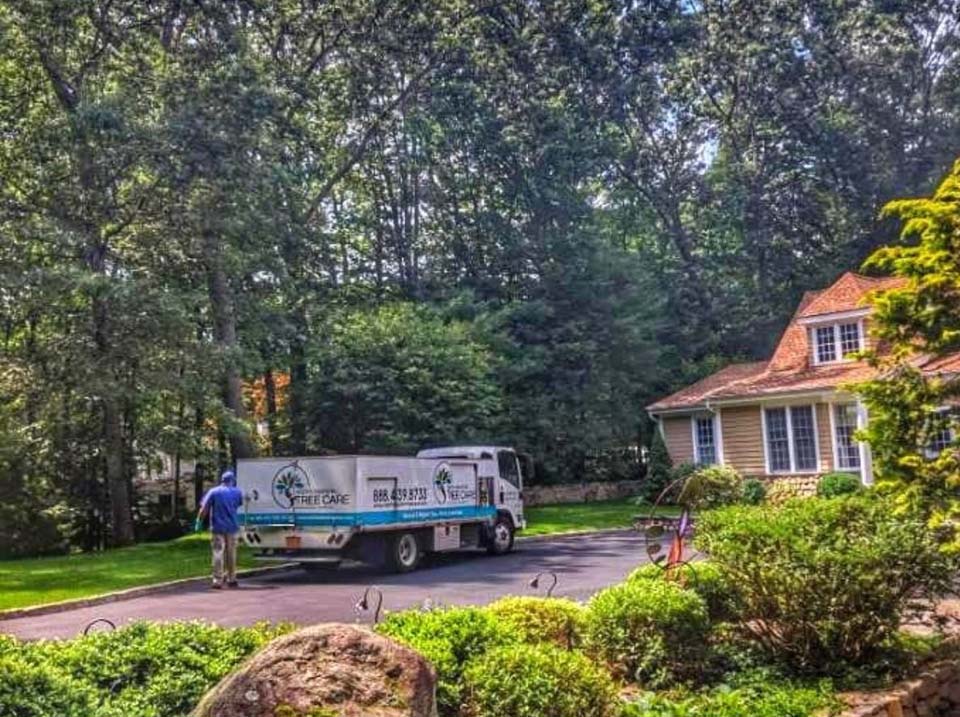
Why Choose Our Lawn Treatment Service
Because we also care for trees and shrubs, we look at the whole property, not just the grass. That matters more than most people realize. The thin lawn under a big oak is often a shade and root-competition problem as much as a turf problem, and fixing it means understanding both.
Locally and Family-Owned for 30 Years

Family-owned and operated since 1996

ISA-Certified Arborists and DEC-licensed applicators

Organic, traditional, and blended lawn programs
Honest, consistent pricing for every customer

Fully licensed and insured

Complimentary lawn assessments
Check out our reviews
What Our Satisfied Customers Are Saying…


Related Services

Organic Lawn Care
A full organic program built on soil testing and carbon-based, OMRI-listed products.

Lawn Aeration
Core aeration that relieves compacted soil so water, air, and nutrients reach the roots.

Lawn Overseeding
Cool-season seed matched to your sun and soil to thicken thin turf.

Tick and Mosquito Control
A six-treatment seasonal program with organic and traditional options.
Frequently Asked Questions About Lawn Treatment in Mamaroneck
What’s included in your lawn treatment program?
Every program starts with a complimentary assessment and a soil test for pH, nutrients, and compaction. From there, most programs include 5 to 6 seasonal treatments: crabgrass pre-emergent in early spring, fertilization matched to your soil test, spring and fall broadleaf weed control, and a late-fall winterizer. Core aeration and overseeding happen together each fall, and lawn fungus treatment is available as a separate service when it’s needed.
Is organic lawn care worth it?
If you care about soil health, kids, pets, and water quality, yes. Organic lawn care builds the soil so the lawn gets stronger each year instead of depending on a quick synthetic boost. The tradeoff is speed: organic weed control is slower and usually needs more follow-up in the first season or two. Customers who stick with it typically see a greener, thicker lawn and healthier soil over time. We also offer traditional and blended programs if you want faster weed results.
How long after a lawn treatment is it safe for kids and pets?
It depends on the product used, which is why your technician will tell you after every visit exactly when kids and pets can go back on the lawn. Organic-based products are our default, and our DEC-licensed applicators follow label directions on every application. Aeration itself is completely safe for kids and pets; the soil plugs left on the lawn are just natural soil.
How long should I wait to mow after lawn treatment or aeration?
After aeration, wait one to two days before mowing. For regular treatments, your technician will give you timing for that specific application. Let your landscaper know your treatment schedule so the two work together instead of against each other.
Can you fertilize a Mamaroneck lawn that’s close to the Sound, the harbor, or the river?
Yes, within the rules. New York’s Nutrient Runoff Law prohibits lawn fertilizer within 20 feet of a water body unless there’s a 10-foot vegetated buffer, or the product is applied at least 3 feet from the water using a spreader guard, deflector shield, or drop spreader. We follow those requirements on every waterfront property, apply phosphorus only when a soil test shows the lawn needs it, and keep product off driveways and sidewalks where rain could wash it into storm drains.
My lawn was damaged by flooding. Can it be restored?
In most cases, yes. Floodwater tends to leave silt on the surface, compacted soil, and dead or thinned patches. We start with a soil test to see what changed, then use core aeration and overseeding in the late August to mid-October window to rebuild the turf, followed by fertilization matched to the soil results. Expect germination in 7 to 21 days and visible thickening in 4 to 6 weeks.
Do you serve both the Village and the Town of Mamaroneck?
Yes. We provide lawn treatment throughout the Village of Mamaroneck, including the Rye Neck section that sits in the Town of Rye, and throughout the unincorporated Town of Mamaroneck. We also serve neighboring Larchmont, Rye, Scarsdale, and Rye Brook.
Will my neighbors be notified when my lawn is treated?
When a treatment falls under Westchester County’s Neighbor Notification Law, licensed applicators must give 48 hours’ written notice to abutting properties within 150 feet and post visual markers on the treated lawn. We handle those requirements for you. Your technician can explain which of your treatments trigger notification.
Do you mow lawns?
No. We don’t mow, and we don’t do general landscaping. We focus on the health of the lawn itself: soil, fertilization, weed control, aeration, overseeding, and disease treatment. Most of our customers keep their landscaper for mowing and use us for everything that makes the grass thicker and greener.
When is the best time for aeration and overseeding?
Late August through mid-October. The soil is still warm enough for fast germination, the cooler air reduces competition from crabgrass, and new grass has time to root in before winter. Once nighttime temperatures drop, germination slows down quickly, so booking early in the window matters.
Request a Free Lawn Assessment
Get a complimentary assessment of your Mamaroneck lawn from a DEC-licensed technician. We’ll test the soil, show you what’s holding the lawn back, and recommend a program that fits.